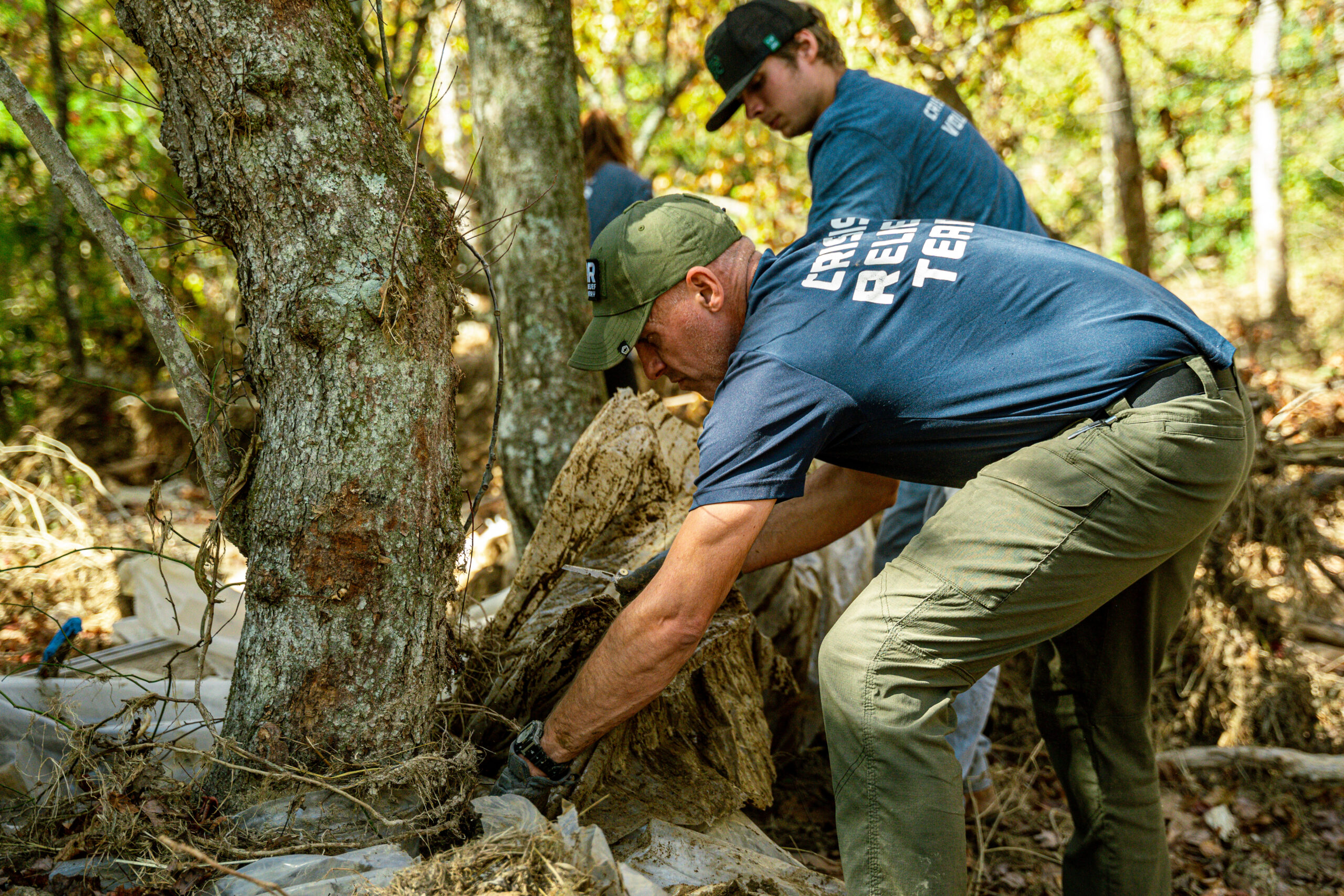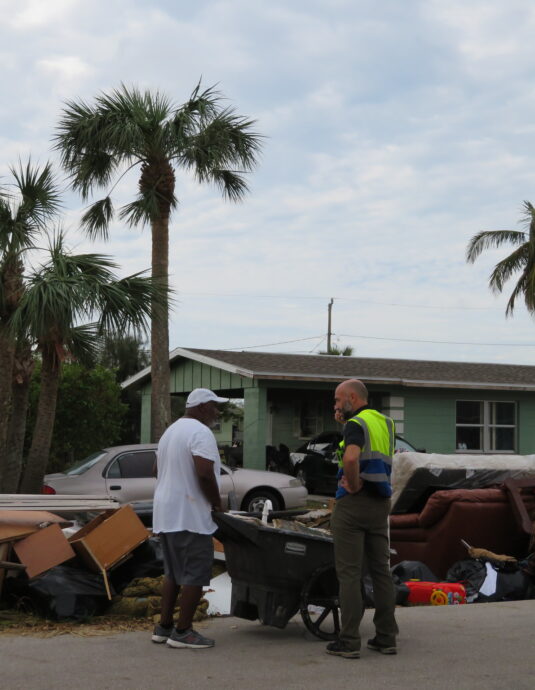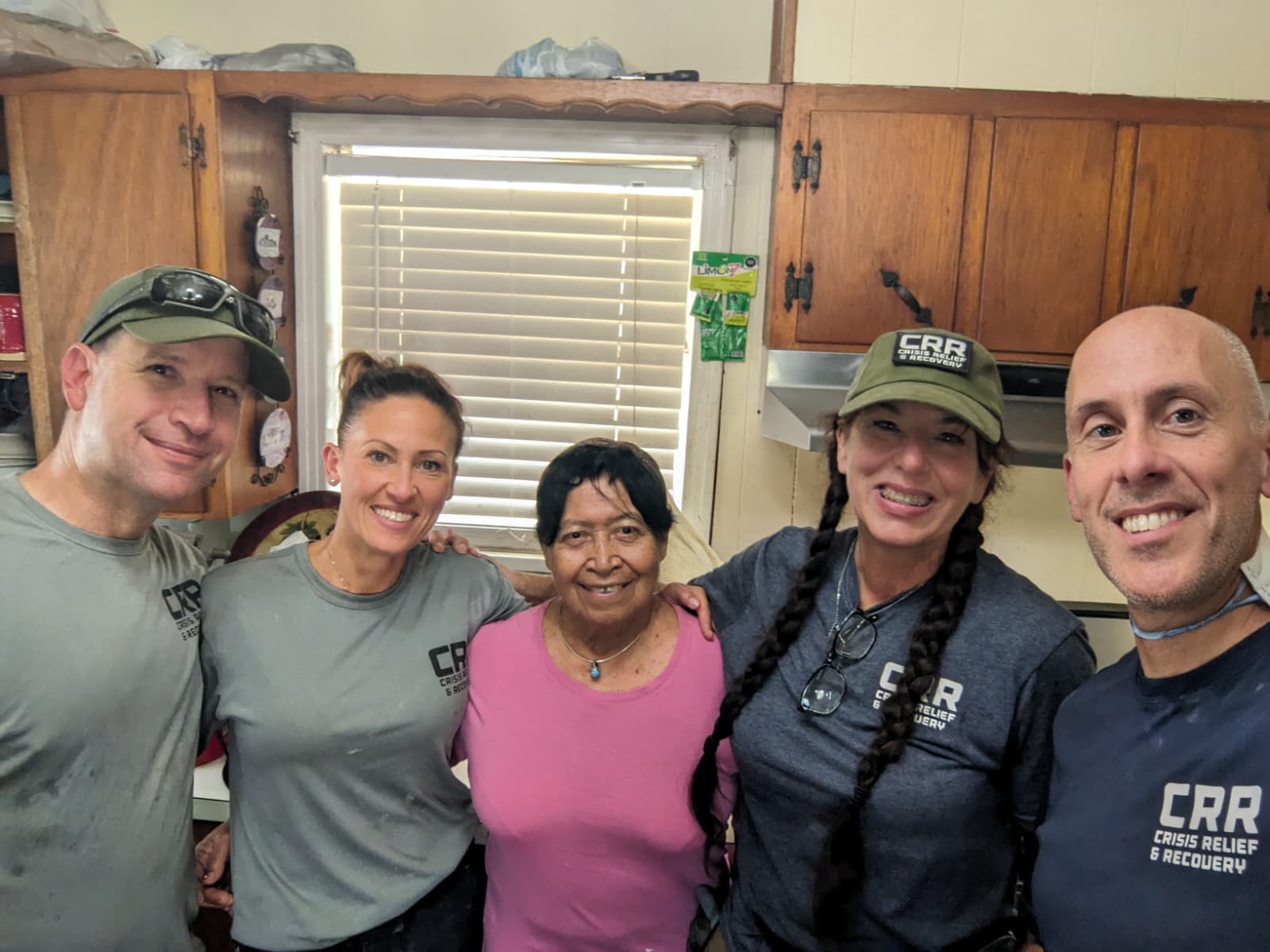
The disaster management cycle is the framework that guides how communities prepare for disaster, respond in crisis, and recover with greater strength and resilience.
At Crisis Relief & Recovery, we work across the disaster management cycle because communities need more than a one-time response. They need preparation before the storm, coordinated action in the moment of crisis, and steady support as recovery begins.
In preparedness, we train leaders and help build Relief Hubs so communities are ready before disaster strikes. In response, we coordinate volunteers, partners, and critical resources to bring help quickly and effectively. In recovery, we stand with communities for the long work of rebuilding, restoring stability, and helping people move forward with hope. Through it all, we ensure no one faces the storm alone.
We equip volunteers and local leaders with practical training so they can respond with confidence, serve effectively, and lead well when disaster strikes.
We help communities prepare before disaster through Relief Hubs, local partnerships, and readiness strategies that strengthen response before the storm arrives.
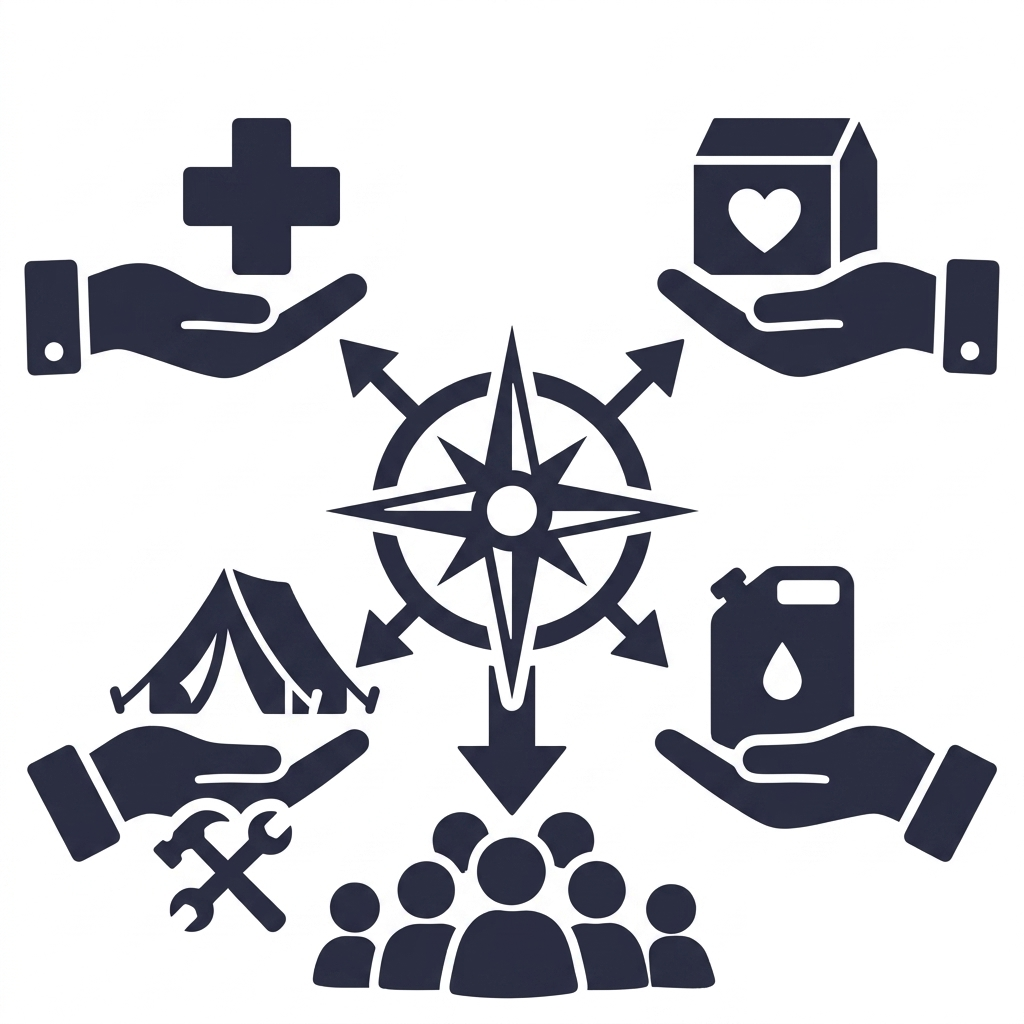
When crisis hits, we coordinate volunteers, partners, and critical resources to help affected communities receive timely, organized, and effective support.
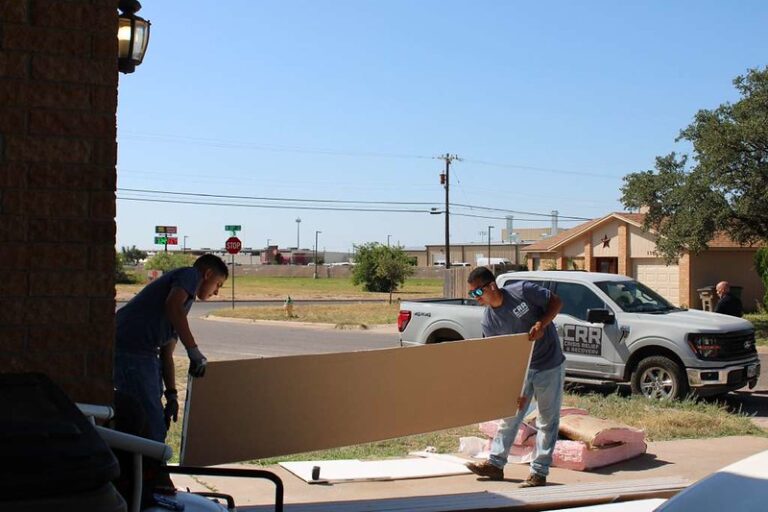
Recovery takes time. We walk with communities as they rebuild, restore stability, and move forward with hope in the weeks and months after disaster.
Hurricane Ian devastated South Florida. Residents of Harlem Heights, a...
Read StoryAt Crisis Relief and Recovery, we strive to be the best stewards of funds entrusted to us for the sake of the communities that we are honored to walk alongside in recovery. Because of our unique force multiplication model that activates local and national partners, volunteers and incoming resources to meet the most amount of needs, we achieve a “multiplier effect” on every dollar donated to communities during relief efforts.
This means for every mission dollar donated to CRR, we multiply it’s effectiveness in amount of work done. For example, when Hurricane Ian struck Ft. Myers, CRR deployed approximately $42k in mission funds but accomplished $1.2million worth of work for homeowners.
Because we believe stewardship is so important (and rare), we’ve created a metric to measure our effectiveness called “Return on Mission”.
When CRR raises money during a disaster, 100% of the money raised (minus credit card fees) goes straight to helping that community recover. No shaving off the top for administrative fees or marketing campaigns – just real, practical help.
We are able to guarantee that 100% of funds raised during a disaster go directly to the community in need because of the generous individuals, foundations, and corporations that cover our operational, administrative, and training expenses as part of our Always Ready Fund.
When you give to CRR, your dollar goes further because of our multiplier effect. After Hurricane Ian, we turned x thousands of dollars in donations into x value of work (43x multiplier!) due to our partner relationships and volunteer network.
Train to join the teams leading the immediate response and spearheading the recovery process.
Help your team, organization, or business prepare for disaster and be equipped your community and those around the nation.
After a tree came through the roof of our home, we had a really hard time. But i've found a lot of hope through Crisis Relief and Recovery - they've done the work to our home to make it safe for us to stay here and have really given me hope.
A lot of people in our neighborhood feel like no one outside cares about them. Crisis Relief and Recovery changed that when they came to help us rebuild.
When disaster strikes, communities often turn to churches to deliver relief.
Read Story
When Greg participated in the CRR training, he was expecting to use it for other communities. Little did he know he would need to use it in his own.
Read Story
Communities across Texas experienced significant flooding with fewer outside resources available. San Angelo and the broader Concho Valley, located along the Concho River and its tributaries, recorded their heaviest single day of rainfall on record—up to 15 inches on July 4. The resulting flash floods caused extensive road closures, housing...
Read Story
by Email: info@crrteam.org
by Phone: (814) 246-5025